a page from the jot journal ✦
June 22, 2026
Why Every Female Founder Needs a Diary Again (And Why the Digital Version Might Be Better)
Why Running a Business Suddenly Requires Twelve Different Apps
There is a strange irony at the heart of modern entrepreneurship. We have more productivity tools than ever before, yet many founders feel less organised than they did ten years ago.
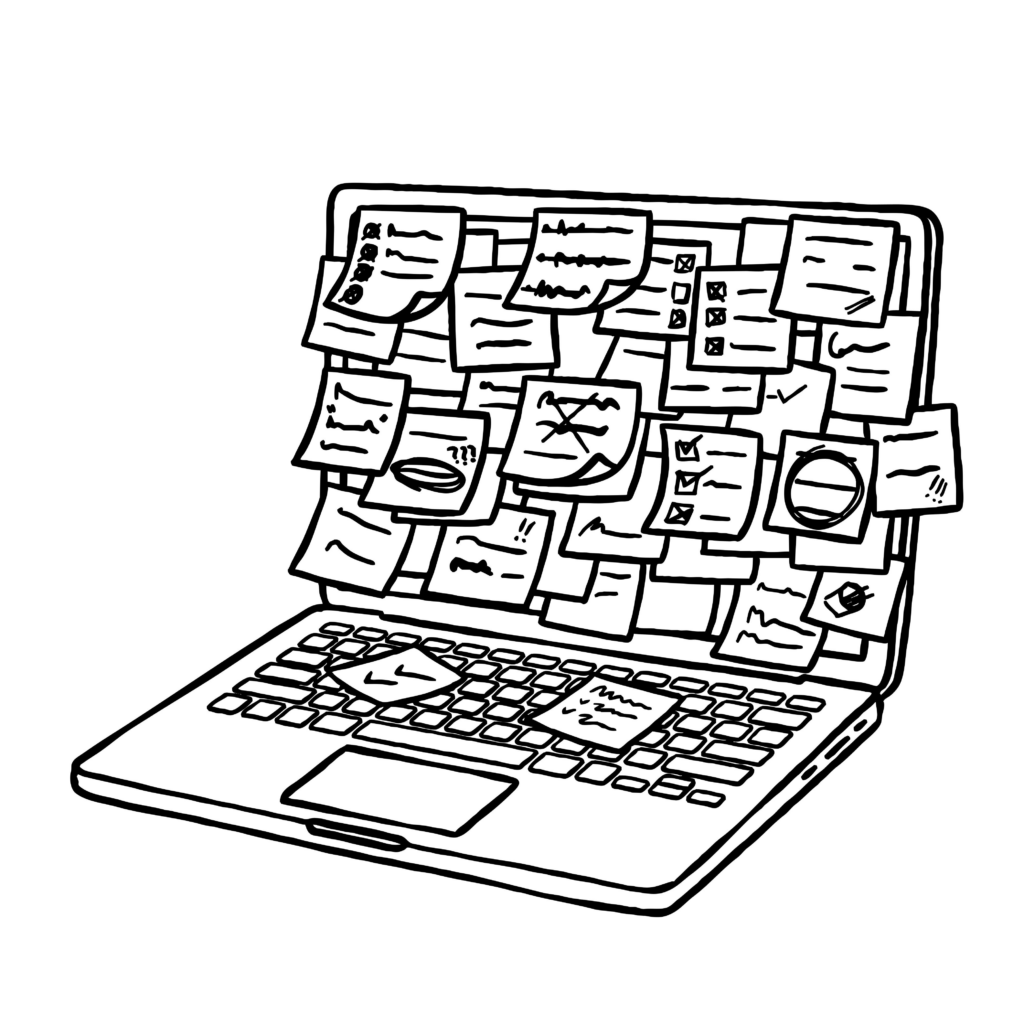
A typical day might involve checking a calendar app for meetings, a separate task manager for deadlines, a notes app for ideas, an email inbox for client conversations, a messaging platform for team discussions, and perhaps three or four other tools that each claim to make work simpler. Individually they are useful but collectively they can leave you feeling as though your business is scattered across half a dozen different systems.
For many young female founders, particularly those running creative businesses, consultancies, personal brands, or side hustles alongside other commitments, the challenge is rarely a lack of ambition or motivation. More often, it is the difficulty of keeping all the moving parts connected. The modern founder is constantly generating ideas, making decisions, nurturing relationships, planning projects, and juggling responsibilities, yet the tools designed to help often separate those activities rather than bringing them together.
What's interesting is that we have actually solved this problem before. For more than two centuries, the diary served as a single place to think, plan, reflect, and organise. The format may have changed, but the need has not. Increasingly, platforms like jot are exploring what happens when that traditional role of the diary is reimagined for a digital world.

The Diary Was Always The Original Founder Tool
Long before productivity software existed, entrepreneurs kept diaries. They used them to record appointments, capture ideas, reflect on mistakes, document important relationships, and sketch out future ambitions. The diary wasn't simply a record of what happened. It was often the place where future plans first took shape.
Somewhere along the way, we divided that experience into dozens of specialised tools. Calendars became separate from notes. Contacts became separate from projects. Tasks became separate from reflections. Every new platform promised greater efficiency, but the result was often fragmentation.
Today, many founders spend as much time managing information as they do acting on it. A modern digital diary offers a different approach. Instead of asking which app a piece of information belongs in, it asks how that information connects to the wider story of your work and your life.

Your Best Ideas Rarely Arrive At Convenient Times
One of the biggest challenges entrepreneurs face is capturing ideas before they disappear.
A potential marketing campaign appears while you're making dinner. A solution to a client problem arrives halfway through a walk. A product idea turns up just as you're trying to fall asleep. The reality of entrepreneurship is that inspiration rarely arrives neatly packaged during office hours.
Unfortunately, many of these ideas end up scattered across random notes, voice memos, screenshots, and forgotten documents that are never revisited.
The advantage of a diary-centred approach is that ideas exist within context. A thought isn't just a thought. It can sit alongside the meeting that inspired it, the people involved, the project it relates to, and the actions that need to happen next.
Within jot, an entry can begin as a rough reflection and gradually evolve into plans, tasks, reminders, events, or collaborative discussions, which means ideas don't have to be constantly moved between different platforms to remain useful.

Meetings Should Create Momentum, Not More Admin
Most founders accept that meetings are part of the job. What receives less attention is the amount of work that happens after the meeting ends.
Notes need to be written up. Action points need to be identified. Tasks need to be assigned. Follow-ups need to be remembered. Before long, what began as a productive conversation has generated another layer of administration.
This is where AI has the potential to be genuinely useful. Rather than simply storing information, it can help organise it, identify actions, and connect discussions back to the projects and people that matter.
Instead of becoming another forgotten document, meeting notes can become part of an ongoing narrative that is actually useful when you revisit it later. The diary evolves from a passive record into something that actively helps you move work forward.

Building A Business Is Personal Whether We Admit It Or Not
Most productivity tools operate on the assumption that work and life exist separately. Entrepreneurs know better.
The stress of a difficult client can affect your evening. A conversation with a friend can spark a business idea. A personal goal can influence a professional decision. The reality is that entrepreneurship is deeply personal, particularly for founders who are building businesses that reflect their own interests, expertise, and values.
This is one of the reasons the diary format feels surprisingly relevant today. It acknowledges that professional ambitions, personal reflections, relationships, goals, frustrations, and ideas are all connected. Rather than forcing them into separate categories, it allows them to exist within the same ecosystem because that is how they already exist in real life.

The Rise Of Shared Diaries
Perhaps the most exciting evolution of the diary is that it no longer has to be a solitary experience.
Traditionally, diaries were private spaces where people processed their thoughts alone. Today, digital diaries have the potential to become collaborative spaces as well. Founders can use shared entries to brainstorm ideas, plan launches, create meeting agendas, document decisions, and build projects together while maintaining a record of how those ideas developed over time.
What makes this interesting is that it feels fundamentally different from traditional project management software. Rather than producing another collection of disconnected tasks and documents, shared journaling creates a living narrative of what a team is trying to build and why. The result feels more human, more collaborative, and ultimately more reflective of how ideas actually develop.

AI Isn't Replacing The Diary – It's Making It Smarter.
The most compelling thing about AI is not automation. It is context.
For the first time, a diary can help you understand itself. It can identify recurring themes, surface forgotten ideas, reveal patterns in your thinking, and connect information that would otherwise remain scattered across different tools and different moments in time.
Tasks can emerge naturally from entries. Events can connect to plans. Contacts can connect to conversations. Reflections can reveal trends that only become visible when viewed over months rather than days.
The diary stops being somewhere information goes to rest and starts becoming somewhere information becomes useful.
The Diary Renaissance For Female Founders
Many of the most successful founders are not looking for more tools. They are looking for fewer places to check, fewer systems to maintain, and fewer opportunities for important information to disappear.
That may explain why the idea of the diary feels surprisingly modern again. Not because people are becoming nostalgic for paper planners, but because they are rediscovering the value of having one place where everything connects.
The original diary helped people make sense of their lives by bringing information together. The digital diary is attempting to do the same thing for an era defined by fragmentation, and for entrepreneurs trying to build something meaningful, that may be exactly what makes it valuable.
Ready to bring your ideas, plans, people and projects back into one place? Start your first entry at getjot.ai and discover what happens when your diary becomes the centre of your entrepreneurial life.